
Fully automatic
An alternative to manual explosion cleaning. P-WAVE generators operate fully automatically and integrate into existing plant control systems. Overcome the safety and cost limitations of manual explosion cleaning systems.
Deposits on boiler tubes reduce the heat transfer. This is most severe in the case of firing of waste, biomass or other critical fuels. Resulting challenges are - increase of flue gas temperatures (most critcal: superheater inlet; boiler outlet) - need of manual explosion cleaning - increased corrosion rates - limited boiler service time and unplanned shutdown
The P-Wave Generator (PWG) was developed to solve exactly this problem — supersonic pressure waves remove deposits effectively, fully automatic and without detonation of explosives.
Supersonic pressure waves are generated by combustion of propane with compressed air — no pure oxygen needed. These pressure waves are also called “power waves”, “shock waves” or “shock pulse”.
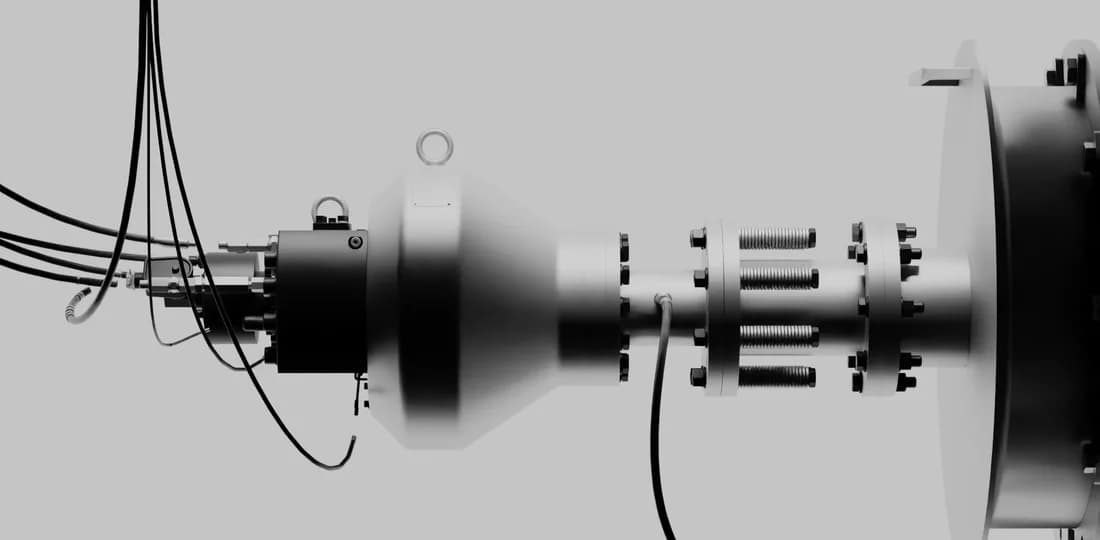
An alternative to manual explosion cleaning. P-WAVE generators operate fully automatically and integrate into existing plant control systems. Overcome the safety and cost limitations of manual explosion cleaning systems.
Super-high-pressure is generated by combustion of propane (~20 g/shot) mixed with highly compressed air (100 bar). The supersonic pressure wave is generated by the quick release of the pressure - the expansion of the gases is a separate process step independent of the combustion.
Combustion pressures are typically set between 150 and 600 bar. The generator is designed and certified for 900 bar. Operators can program timing and strength, so cleaning is tuned to actual boiler requirements.
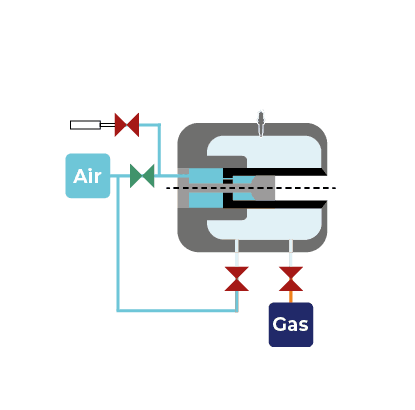
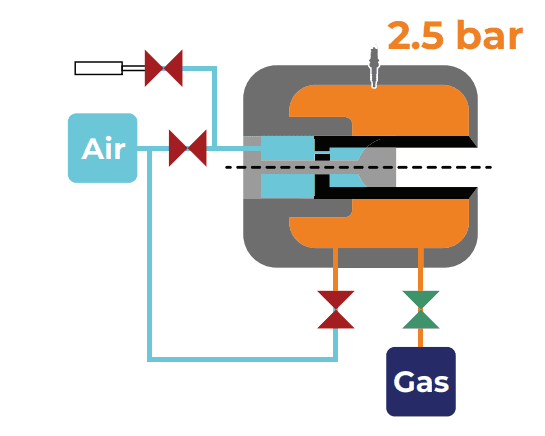
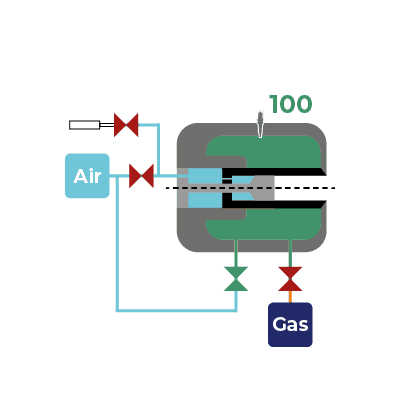
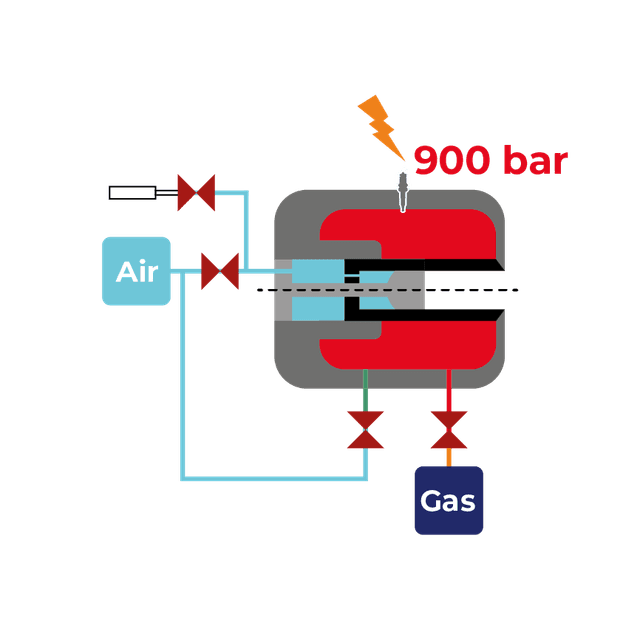
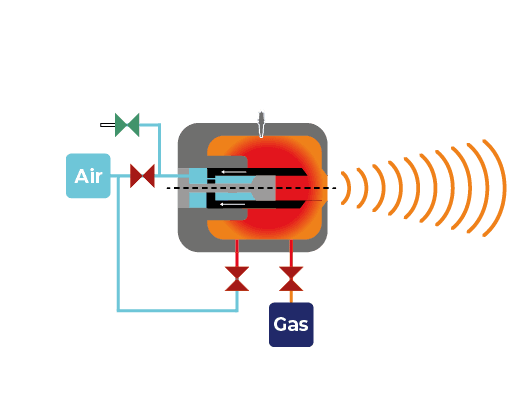
New generation of powerful boiler cleaning! Supersonic pressure waves generated from combustion of propane with compressed air. No explosives or (pure) oxygen needed. Inherently safe and robust by design.
Typically one programmed shot every ~2 hours, no operator presence required during operation. The P-WAVE controller cabinet (PLC) integrates with your DCS via hardwiring or bus connection.
Least impacting option of boiler cleaning. No more damaging physical contact of hammers or steam/water jets with boiler tubes. Oxide layers remain untouched: Positive for reduced boiler tube corrosion rates!
Very few consumables needed: 20 g of propane per blast as well as power for the compressor. This sums up per year to typically 100 kg propane and 1000 kWh (total of 500 €).
Consistently lower and stable flue gas temperatures before superheaters and at boiler outlet. Your gain: No more manual explosion cleaning, potential for increase of boiler load and service time.
Robust design for reliability and easy maintenance! Typically one overhaul per year with cost of 6000 € per generator. Potential to be reduced to 1500 € with training of local mantenance team.
From waste-to-energy lines across Europe to large coal-fired units in Asia, P-Wave generators are at work across four continents. Each marker is an installation site - regions shown are indicative.
Installed and firing in real plants — no test rig, no animation.
First Italien P-Wave project at medium-sized WtE boiler
Manual explosion cleaning avoided with one P-Wave Generator at final superheater. Follow up order received for second boiler based on positive results.
Coal fired power plant (pulverized)Major Indonesian power plant reduces CO2 emissions with alternative for steam soot blowers (Paiton/Jawa)
Soot blower steam consumption reduced by 65% — back-pass flue gas temperature reduced by 10 °C with saving of 13,000 t coal/yr
Waste-to-energyIncreasing boiler performance at large WtE boiler
A single P-Wave generator tested in very large WtE boiler. Saving in space and steam consumption compared to boiler cleaning with steam soot-blowers
Waste-to-energyWtE plants maximizes maintenance efficiency and performance
Operation of vertical boiler without soot-blowers and manual explosion cleaning - successful conversion to P-WAVE generators.
Engineers and partners across the continents — building on the pressure-wave technology invented in Switzerland.
Meet the team →Interested in a performance upgrade for your boiler? Get in touch and we'll discuss your configuration and cleaning requirements.